Home / Designing Gates for Easy Use at Any Age
Designing Gates for Easy Use at Any Age
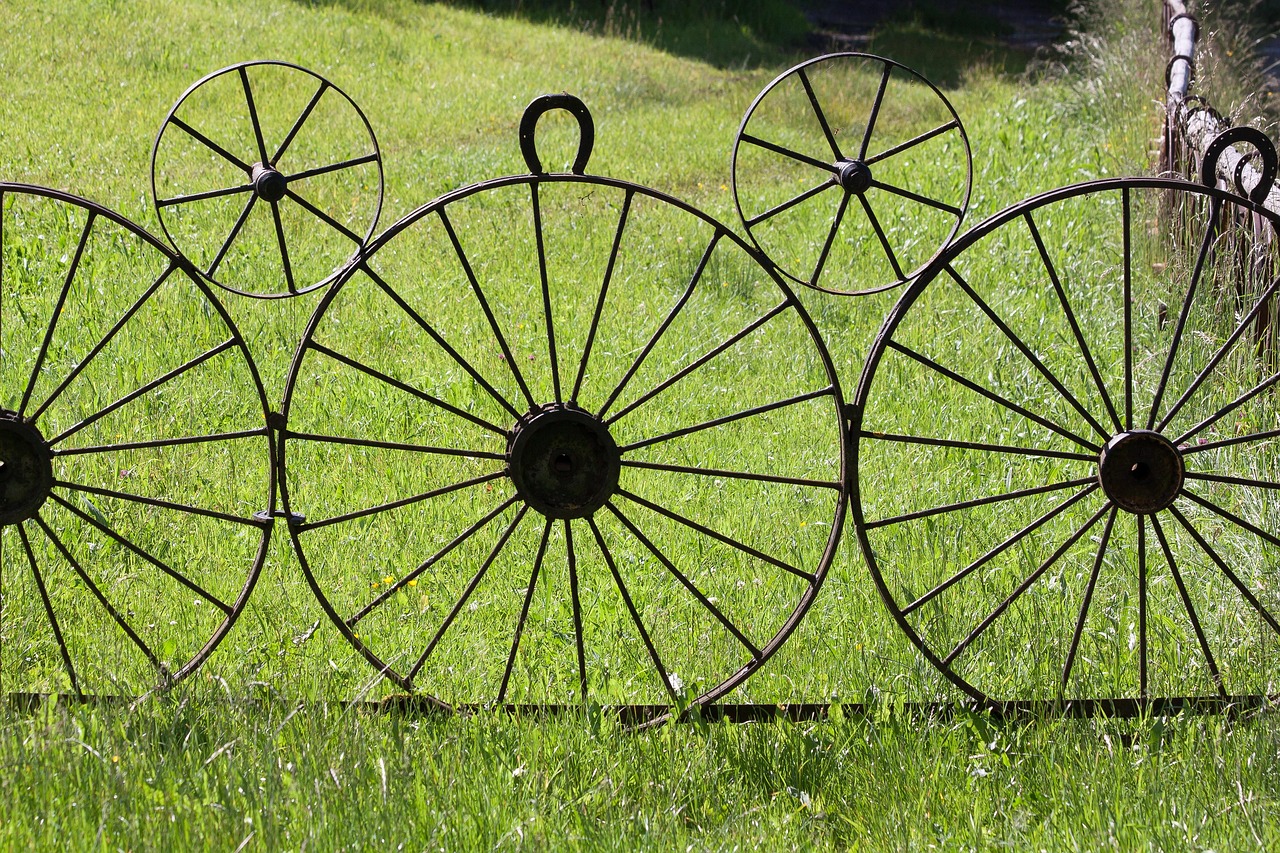
A gate that is easy to use at any age has a light swing, a latch that works with one hand at a comfortable height, a clear view through it and, for a driveway, an opener with a simple control. Designing for ease does not mean plain or ugly. It means thinking about hands, reach, strength and sight before choosing style, so the gate works for a teenager, a grandparent and a delivery driver alike.
Most gate problems that people complain about are problems of use, not looks. The latch is too stiff, the leaf drags, the keypad is too high or the opener is confusing. Fixing those after installation is expensive. Planning for them at the start costs almost nothing, and the result is a gate that feels pleasant every single day.
Start with the people who will use it
List everyone who will pass through the gate. That may include adults with strong hands, older relatives with limited grip, children, people who use canes or walkers, a person in a wheelchair, caregivers carrying bags and drivers reaching from a car window. Each person needs something slightly different, and a good design finds the choices that work for all of them.
Picture a hard moment, not an easy one. Imagine carrying a box in one arm while closing the gate behind you. Imagine opening it in the rain, in the dark or while a dog pulls on a leash. If the gate still works well in those moments, it will work in any other.
Reach and height
Controls should sit within a comfortable reach range. For a walk gate, a latch or handle between roughly thirty and forty inches above the ground suits most adults and is reachable from a seated position for many people. Children's reach is lower, which may matter if a gate protects a pool or a street. In that case a high secondary latch can be added, placed above a small child's reach but still usable by adults.
For a driveway, keypads, card readers and call boxes should be placed to suit a driver in a typical car. Pickup trucks sit higher than sedans, so a post that serves both may need two devices at different heights or a position that splits the difference. Keep the device a short distance from the lane so the driver does not have to stretch or open the door.
Handles and latches that suit weak hands
Grip strength drops with age and with conditions such as arthritis. A round knob requires pinching and twisting, which is hard on sore fingers. A lever handle can be pushed with a palm or a forearm. A gravity latch that drops into place on its own lets the gate close without fiddling. A thumb latch with a large paddle is easier than a small pin.
Check the force needed to operate the latch, not only its shape. A stiff spring that makes the latch snap shut is hard to release. A smooth action that needs only light pressure is far more usable. Try the sample hardware in the shop before ordering, and ask a family member with weaker hands to try it too.
Weight, hinges and swing
A gate that moves easily feels lighter than it is. Quality hinges with sealed bearings, well aligned posts and a frame that does not sag make a big difference. Heavy gates on cheap hinges fight the user and wear out quickly. For a pedestrian gate, a lightweight frame in aluminum or thin wall steel is usually plenty strong and swings with a fingertip.
Closers help but can backfire. A strong closer slams the gate and fights anyone moving slowly through. A gentle, adjustable closer that takes several seconds to shut gives time to pass and still latches securely. Adjustable hydraulic closers are common and let the speed be tuned for the household.
Leave room around the gate. A path that is level, firm and wide enough for a walker or wheelchair is essential. Keep the threshold flat, with no lip that catches a wheel or a toe. A clear width of about thirty six inches suits most mobility aids, and more is welcome.
Automation done kindly
An automatic opener removes the effort entirely and is a good choice for many driveways. The details decide whether it is a joy or a nuisance. The remote should have large, clearly marked buttons. The gate should open at a reasonable speed, not so fast that it startles and not so slow that a driver waits. Safety sensors should stop the gate if something is in the way, and an easy manual release should let anyone move the gate by hand if power is out.
Keep controls simple. A system with many modes and settings can confuse the people who need it most. Ask the installer to show the household how to use it and to leave a short written guide. Check how the gate behaves after a power cut, and confirm that a backup battery keeps it running.
Clear sight lines
People feel safer when they can see through a gate, and drivers need to see who or what is on the other side. Open bar designs give a clear view. Solid panels offer privacy but hide anyone approaching, so they work best where traffic is light or where a mirror or camera helps. A mix, with solid lower panels and open upper bars, is a popular compromise.
Good lighting matters as much as the design. A light near the latch or keypad helps people see the controls after dark. A motion activated light at the gate also discourages mischief. Reflective address numbers help visitors and emergency crews find the property.
Materials with low upkeep
A gate that needs constant care is not easy to use, because neglected parts start to stick. Aluminum resists rust and is light. Coated steel is strong for wide openings but needs a quick check for chips. Wrought iron needs the most care. Choose the material that matches the amount of attention the household is willing to give, and plan the finish and the hardware to match.
Stainless or coated hinges and latches keep working smoothly when exposed to sprinklers and Texas rain. A drop of oil each season keeps the moving parts quiet. Rinsing dust and pollen off the gate prevents buildup in the mechanisms.
Where to read more
Homeowners who want to compare different gate ideas, materials and layouts can browse local articles at leander metal gates notes, which cover practical choices for entries of many kinds.
A simple checklist
Name every user and think about their hands and reach. Set controls at heights that suit them. Choose a lever or paddle latch and test it. Keep the gate light and the hinges good. Add a gentle closer if one is wanted, and make the path level and wide. For a driveway opener, insist on safety sensors, a manual release, a battery backup and large, clear remotes. Make sure the gate can be seen through and the controls can be seen at night.
A gate planned this way becomes invisible in the best sense. Nobody thinks about it, because it simply works for everyone who comes through. That quiet reliability is worth more than any decoration, and it keeps a home welcoming for as long as the owners live there.