Home / Matching Gates to Older Architecture
Matching Gates to Older Architecture
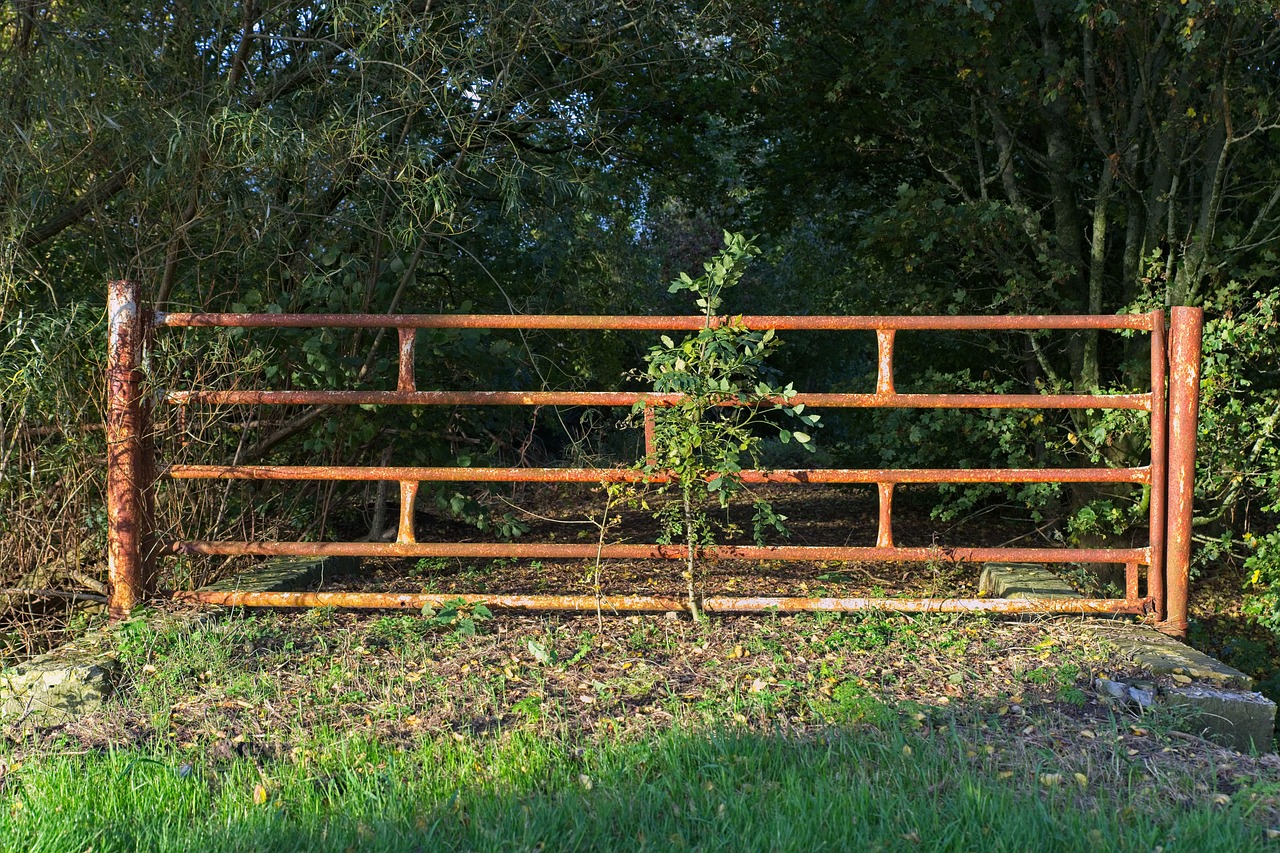
A gate matches an older house when it repeats the house's proportions, borrows its patterns in a simpler form and wears a finish that fits the original materials. The gate should look like it was made by the same hands, in the same decade, even if it was built last month. Getting there is mostly a matter of observation.
Older houses were designed with consistent rules. Porches, rails, windows and rooflines share a set of dimensions and details, and a new element that ignores them sticks out. The good news is that the rules are easy to read once you know where to look, and a gate is small enough to adjust until it feels right.
Read the house before you draw
Stand across the street and look at the whole front. Note the height of the porch rail, the width of the windows and the angle of the roof. Walk closer and look at the trim, the brackets and any metalwork. Photograph each detail. These images become a reference list for the gate.
Look for repeating shapes. A house may use arches over windows, diamonds in the porch lattice or a simple square picket. The gate can echo one of those shapes in a quiet way. A single repeated motif looks intentional. Several different ones look busy.
Check the age of the house too. A home from the late nineteenth century has different details from one built in the nineteen twenties or thirties. Victorian houses tend toward vertical emphasis, decoration and a sense of play. Craftsman houses are horizontal, honest and handmade in feel. Mid century homes are plain and low. The gate for each should follow its era.
Proportion first, ornament second
People notice proportion before they notice pattern. A gate that is too tall, too heavy or too wide for the house looks wrong even if every detail is pretty. Match the top of the gate to a line that already exists, such as the porch rail, the fence or the sill of a window. Match the weight of the bars to the weight of the porch posts and rails. Slender house, slender bars.
Think about the opening as a frame. A gate set between two piers reads as a formal entry. A gate set into a long fence reads as part of a line. A gate in a hedge feels informal. Each calls for a different level of detail. Where the setting is formal, a bit more decoration is welcome. Where it is relaxed, plain bars suffice.
Choose a finish that suits the materials
Finish is as important as pattern. Black is the classic choice for iron and suits nearly every historic style. Deep green, dark brown and oxblood appear in older neighborhoods too and can pick up trim colors. Avoid bright, glossy colors unless the house has them. A matte or satin finish looks closer to old metal than a high gloss one.
Test the color against the house in different light. Hold a sample against the trim and against the foundation. A color that looks right in the shop may look flat or harsh outside. Check it in full sun and in the shade of a porch.
A slightly aged look can help. Some fabricators offer finishes that look hand rubbed or lightly weathered. These blend with old stone and wood, though they require care to apply properly. Ask to see a sample piece that has been outdoors for a season.
Pick the right metal
Most old homes did not use aluminum, but a modern aluminum gate can look right if it is shaped and finished well. It does not rust and it is light, both useful for owners who want less upkeep. Steel offers authentic weight and works well for wide drive gates. Wrought iron, where it is available, is the most historic material and has a lively surface that machine made parts cannot copy.
Whatever the metal, details such as the joints and the ends of the bars influence the look. Welded joints should be neat and ground smooth. Bar ends can be plain, capped or shaped into spear points or finials. Scrolls should have flowing curves, not tight, mechanical ones. Hammered textures and forged ends add the touch of handwork that old gates show.
Hardware as part of the design
Hinges, latches and handles are visible and touched often, so they set the character of the whole gate. Strap hinges, pintle hinges and simple thumb latches look right on old houses. Avoid hardware that looks like it came from a contemporary security catalog. A plain, dark, slightly rough finish blends better than polished metal.
If the gate has an automatic opener, hide it. Place the operator behind a post or a shrub, and run wiring underground. Keypads and call boxes can be mounted on a simple post painted to match. The aim is for the old look to stay intact while the modern parts work out of sight.
Connect to existing walls and fences
Many old properties already have a fence, a stone wall or a hedge. A new gate should join them cleanly. Where a wood fence meets a metal gate, a post of matching height and a clean transition keep the line steady. Where a stone wall meets the gate, the gate frame should attach to a pier or a steel post set inside the stone, and the finish of the hardware should suit the tone of the rock.
Match the height of the existing fence unless there is a reason not to. A gate that rises a few inches above the fence can look intentional if it is paired with posts or finials. A gate that is only slightly taller, by accident, looks like a mistake.
Respect local review where it applies
Some older neighborhoods have design guidelines or a historic review process, and these may influence height, material and placement. Asking early prevents rework. Review boards usually appreciate drawings that show the gate against the house, with dimensions and finish samples. A thoughtful submission is often approved quickly.
Even without formal rules, courtesy to neighbors counts. A gate that respects the character of the street makes the whole block look better, and that benefits every owner.
Where to read more
Readers who want more on gate planning, materials and care can find local guides at leander metal gates notes, written for homeowners with a wide range of property types.
A practical path
Photograph the house and list its repeating details. Choose a proportion that follows a line already on the house. Pick a finish that suits the period and test it outdoors. Select a metal that fits the use and the upkeep the owner wants. Choose hardware that looks right, hide any modern parts and join the gate carefully to existing walls and fences. Check local review requirements before ordering.
The reward is a gate that looks as if it has always been there. That is the best compliment an addition to an old house can receive, and with a little observation it is entirely achievable.