Home / Flood Debris and Gate Clearance
Flood Debris and Gate Clearance
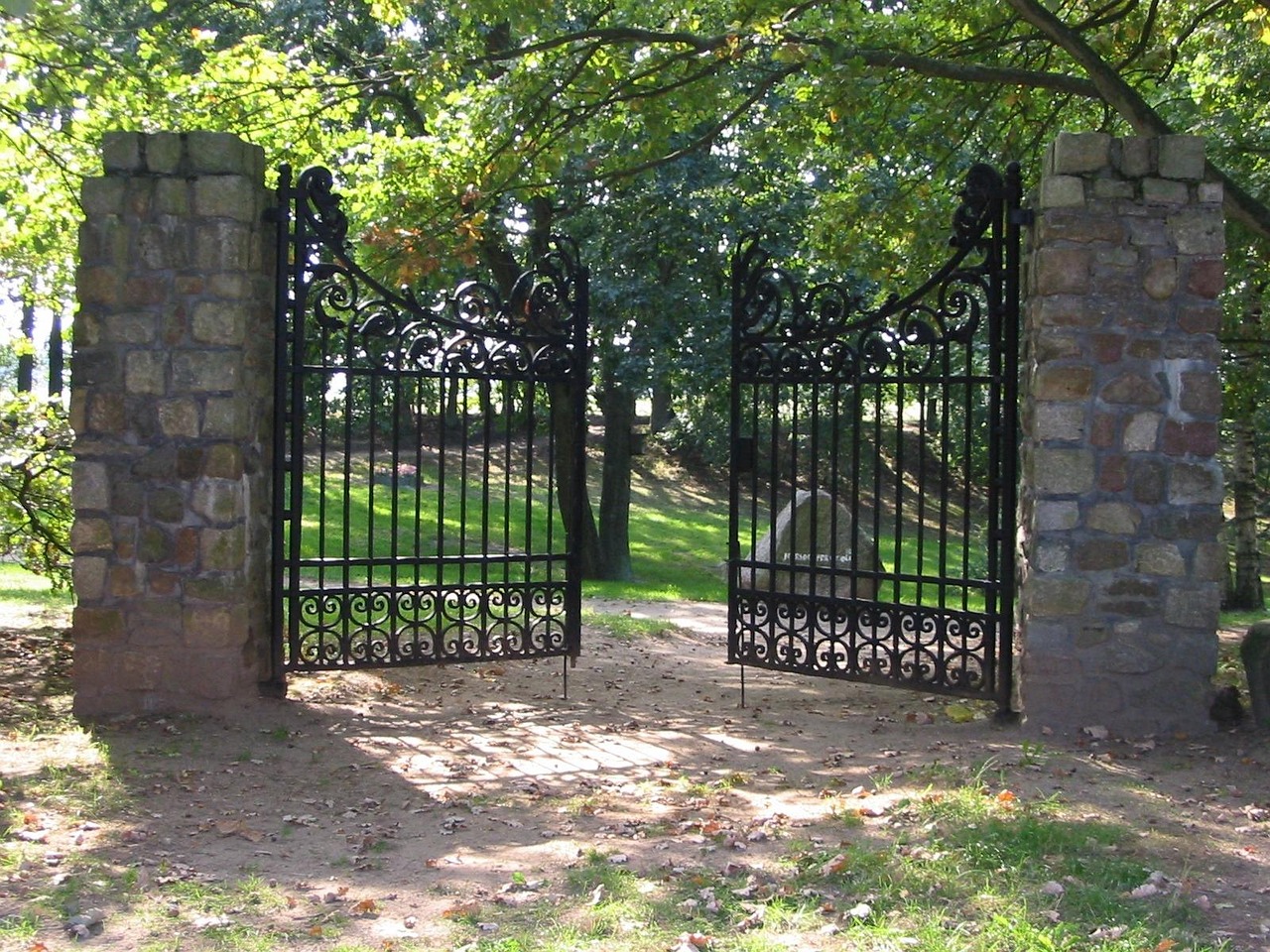
A gate in a flood path should leave the bottom open, use thin round bars that shed debris and be built so the gate or a lower section gives way before the posts do. Floodwater carries branches, trash and sometimes whole logs, and a tight gate catches all of it and turns into a dam that can tear itself from the ground.
Heavy rain in Central Texas can send creeks and rivers from calm to dangerous within hours. Properties near the San Gabriel River, its smaller creeks and low lying drainage channels around Georgetown can see fast moving water carrying plenty of debris. A gate that suits dry weather may not survive a few hours of high water unless it was planned for it.
What water does to a gate
Moving water pushes with great force. Even a shallow flow, a foot or so deep, pushes hard on a solid panel. When the water carries sticks and leaves, they pack against the bars and block the openings, making the gate act like a wall. The load can climb to hundreds or thousands of pounds, enough to bend posts, break welds or pull footings from the ground.
Floating debris adds impact. A log hitting a gate at speed can bend or break bars. Even smaller items, such as fence panels, furniture or plastic containers, pile up and add weight. After the water drops, the gate may be buried in trash, leaning or twisted.
Leave the bottom open
The simplest improvement is a large opening at the bottom, so that water and light debris can flow under the gate. A clear space of twelve to eighteen inches or more is common in flood prone areas. Water passing underneath reduces the force on the gate and lets small items go by.
The trade is security and pets. An open bottom lets animals through, which many owners dislike. One answer is a lower section built to give way, or a flexible barrier that swings aside under pressure. Another is to raise the gate above the usual water mark and accept a gap below. Check local rules, since some areas require a certain gap or forbid solid fences in flood zones.
Bar shape and spacing
Round or narrow bars shed debris better than flat plates or square sections. Water flows around them with less resistance, and branches slide along instead of catching. Spacing should be wide enough that small debris passes through but narrow enough for the purpose of the gate. Four to six inches between bars is common.
Avoid horizontal rails low to the ground, which act like shelves for debris. If rails are needed, place them above the likely water line. Keep decorations, such as scrolls and finials, out of the lower part of the gate.
Breakaway and drop designs
Some gates are built to fail gently. A lower panel, held by shear pins or magnets, can break away under pressure and release the flow, leaving the posts and upper gate intact. Another approach is a gate that drops down, hinged at the bottom, so that water flows over it. These designs are cheaper to repair than a bent gate and protect the surrounding land.
A swing gate can be made to open outward with the flow when pressure builds, though this depends on latch design and safety. A chain or cable tether keeps a detached piece from floating away and damaging neighbors. Ask a fabricator with flood experience about options that suit the site.
Posts and footings
Even a good design needs posts that can handle the load. Set posts deep and wide, anchored into rock where possible. Use heavier steel, with welded base plates or cross bars below ground. Make sure the footing is not undermined by flowing water, which erodes soil around the base. A collar of rock or concrete, called armor, protects the soil near the post.
Think about the whole line of fencing. A gate that survives while the adjacent fence washes out is not much use. Tie the gate posts into a continuous structure or plan for the fence to give way in a controlled manner.
Electric parts
Openers, keypads and lights should sit above the highest known water level, or be rated for submersion. Use sealed conduit and waterproof junctions. Mount control boxes on a raised post. After a flood, switch off the power at the breaker, and do not use the opener until it has been inspected, since water in a motor or control board can cause shorts and damage.
Cleanup and inspection after high water
After the water recedes, approach with care. Look for snakes, sharp metal and unstable debris. Wear gloves and sturdy boots. Remove branches and trash from the gate and surrounding area, working from the top down. Hose off mud, especially from hinges, tracks and latches, since dried silt grinds moving parts.
Check the alignment. Bent bars, a leaning post or a sagging leaf signals damage. Test the gate by moving it slowly by hand, and listen for grinding. Lubricate hinges after they dry. Photograph damage for insurance, and note the high water mark, which helps in planning future changes.
Look at the ground, too. Scoured soil around posts, new channels and fallen trees change how water will flow next time. Fill eroded areas and consider adding rock to protect footings.
Planning for the next event
Every flood teaches something. If debris piled up on one side, add a deflector or move the gate. If water reached a certain height, raise electrical parts above it. If a breakaway section worked, keep spare pins and know how to reset it. A short written note of what happened and what was changed helps the next owner too.
A gate planned for floods will not stop the water, and that is not its job. Its job is to let the water pass, survive with little damage and be easy to restore. Open bars, a clear bottom, strong posts and smart electrical placement give a gate that comes through high water ready to work again.