Home / Hardware That Resists Humid Air
Hardware That Resists Humid Air
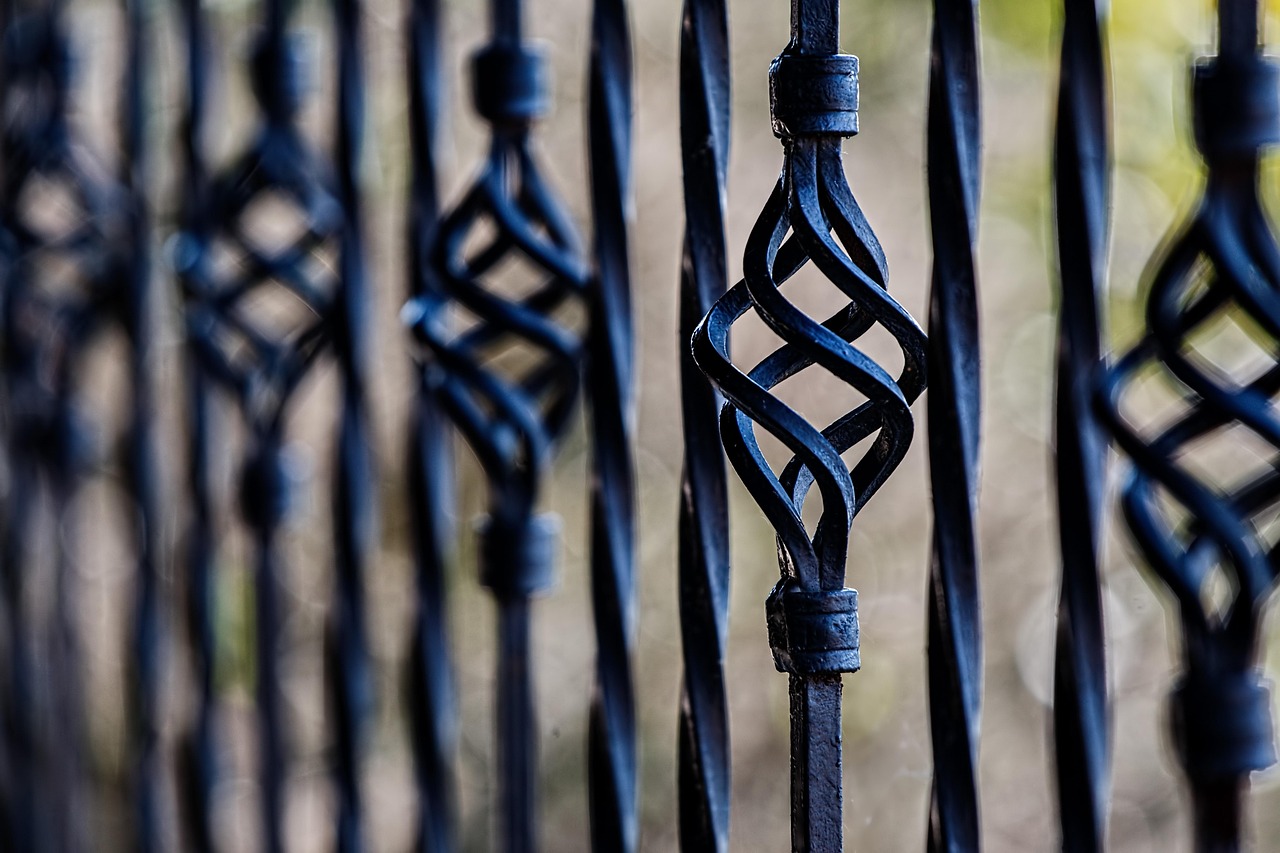
Hardware that resists humid air is made of stainless steel, hot dipped galvanized steel, solid brass or bronze, or heavy plated steel with a sealed finish, and it is installed so water can drain away from every joint. Hinges, bolts and latches are the first parts of a gate to fail near water, so choosing them well matters more than almost any other detail.
Gates near creeks, rivers and lakes live in damp air. Morning mist, dew, sprinkler spray and sudden storms keep metal wet for long periods. Around Georgetown, the San Gabriel River and Lake Georgetown add moisture to nearby yards, and even a lot a few blocks from water can feel the effect. Hardware that would last decades in dry air may rust in a few seasons.
Why hardware fails first
The frame of a gate is large and often well coated. Hardware is small, moves and has hidden crevices where water collects. A hinge pin turning inside its sleeve holds moisture, and a bolt head with a small gap beneath it traps a film of water. These tiny spaces are where rust begins, and once it starts, it grows quickly.
Different metals touching each other make matters worse. A steel bolt in an aluminum frame, or a brass hinge on a steel post, creates a small electric cell when wet, and one metal corrodes faster. Keeping metals compatible, or separating them with washers or sleeves, reduces the effect.
Stainless steel
Stainless steel is the usual first choice. It contains chromium, which forms a thin protective layer that resists rust. Grades matter. A grade often called three oh four is common and suits many outdoor uses. A grade often called three sixteen contains more nickel and a little molybdenum, and it resists moisture and salt better, which suits damp, wet or coastal settings.
Even stainless can stain or pit if kept constantly wet with dirt on its surface. Rinse it occasionally and wipe off dust. Cheap stainless that is not true stainless, sometimes sold as a finish over plain steel, can rust. Ask for the grade and buy from a trusted supplier.
Galvanized and coated steel
Hot dipped galvanized steel is coated in zinc, which protects the steel underneath even when scratched. It is strong, affordable and common for posts, hinges and bolts. The coating looks gray and slightly rough, and it can be painted or powder coated for appearance.
Plated steel, such as zinc plated bolts, has a much thinner coating and lasts less. It is fine for dry, sheltered spots and poor for wet ones. For outdoor gates near water, prefer hot dipped galvanized or stainless over plain plating.
Powder coating and paint help but are not a full answer by themselves. A chip lets water reach the metal, and rust spreads under the coating. Touch up chips promptly with a matching paint, and inspect hardware each season.
Brass and bronze
Brass and bronze do not rust. They darken or develop a patina, which many people like on old style gates. They are heavier and cost more, and they are softer than steel, so they wear faster under heavy loads. They suit latches, handles and decorative hardware, while heavy hinges are often steel or stainless.
Keep brass away from direct contact with steel in wet places, or use a washer to separate them. Polish occasionally if a bright look is wanted, or let it age naturally.
Hinges and moving parts
Hinges deserve the best material and design. Sealed bearing hinges keep water out of the moving parts. Grease fittings let the owner add lubricant as needed. Nylon bushings avoid metal to metal contact and do not rust. A hinge with a drain hole prevents water from sitting inside.
Lubricate moving parts at least twice a year, more often in wet seasons. A silicone or lithium grease repels water better than oil. Wipe off excess, since sticky grease collects dust and grit. Keep spray lubricants away from rubber seals and plastic parts that may swell.
Fasteners
Bolts, screws and nuts are small, but a rusty fastener can fail a whole connection. Use stainless or galvanized fasteners throughout. Add nylon locking nuts or lock washers so vibration does not loosen them. Where a bolt passes through two metals, use washers that keep them apart.
Put a dab of anti seize compound on stainless threads, which can gall, or seize, when tightened dry. Avoid overtightening, which can strip threads or crack a part. After installation, check that no bolt head sits in a pocket where water collects.
Latches and locks
Latches face daily use and weather. Choose models with sealed internals or covered mechanisms. Locks should have weather covers or be rated for outdoor use. A sticking lock in damp air is a common complaint, and a drop of graphite or dry lubricant helps. Avoid oil, which attracts dust.
Magnetic latches have few moving parts and tend to hold up in humid conditions, though the magnets and their housings still need to be corrosion resistant. Check that the housing is sealed.
Installation details
Good installation keeps water out. Seal gaps between hardware and the gate with flexible sealant. Point bolt heads and openings downward or sideways so water runs off. Add drain holes to hollow posts and rails, and keep them clear. Slope the top of footings away from posts.
Keep plants trimmed back from the hardware. Dense vines and shrubs hold moisture against metal and slow drying. Direct sprinklers away from the gate, since daily spray is more harmful than occasional rain.
Inspection and care
Look at the hardware each spring and fall. Check for rust spots, loose bolts, stiff movement and cracked coatings. Clean off dirt and light rust with a soft brush, then touch up with a rust inhibiting paint. Replace any part that shows deep pitting or weakness.
A small amount of attention keeps hardware working for many years. With the right metals, careful installation and regular care, a gate near water stays smooth and strong long after cheaper choices have failed.